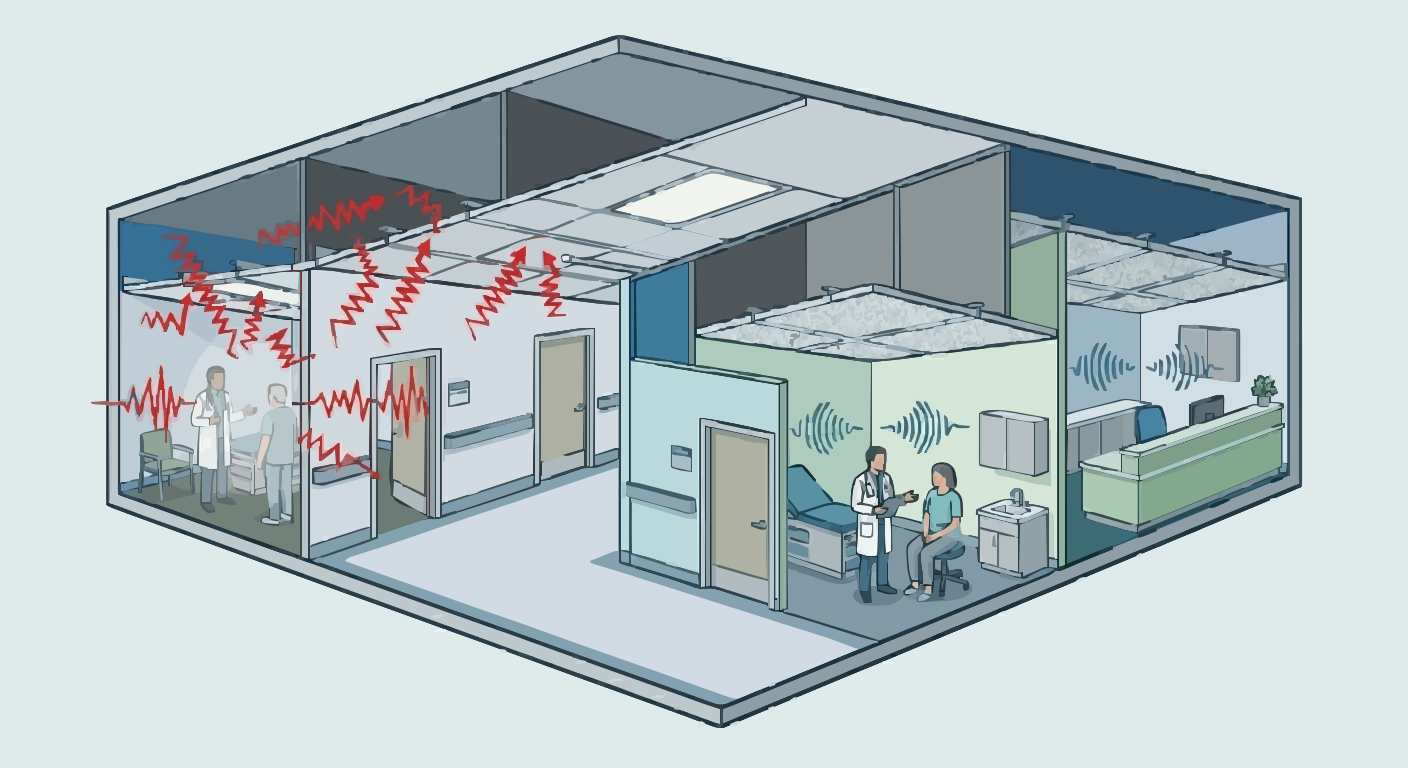
A patient sits on the exam table and finally says the thing they came in to say. A diagnosis they are still trying to accept. A medication they cannot afford. A symptom they were too embarrassed to mention at the front desk. The provider listens, and the visit does its job. Then the patient walks out past the waiting room and wonders who else just heard.
The Summer Renovation Window: Why Acoustic Work Belongs in Your Off-Season Plan
Every facilities manager knows the rhythm of the calendar year. Some months you put out fires. Some months you actually fix things. Summer is the second kind. Schools empty out. Law firms and accounting practices come off their busy seasons. Universities turn over residence halls. Corporate offices thin out as employees take PTO and travel…
What Happens Outside the Therapy Room: Acoustic Privacy in Mental Health and EAP Spaces
May is Mental Health Awareness Month, and the conversations being celebrated this month are, by their nature, the most private a person can have. Disclosures about trauma. Substance use. Suicidal ideation. Marriage. Money. Whatever it is that finally brought someone through the door. Therapists, counselors, and Employee Assistance Program (EAP) clinicians spend their careers building…
The Sound of Stress: Why Workplace Noise Is a Mental Health Issue (And What Actually Fixes It)
April is Stress Awareness Month, and most workplace conversations about stress focus on the obvious culprits: workload, deadlines, difficult relationships, and the blurred lines between work and home. These matter. But there is a quieter stressor sitting in nearly every office in America, and it rarely makes the list. It is the sound of someone…
Why Acoustic Design is Game-Changing for Child Advocacy Centers
When a child walks into a Child Advocacy Center, they are often facing one of the most difficult moments of their lives. The environment they step into plays a massive role in their comfort and their ability to share their story. While much attention is given to the visual design of these spaces, there is…
How Modern Offices Fail at Acoustic Privacy (And the Role of Plenum Barriers)
Office Soundproofing Guide: How to Stop Sound Traveling Over Walls Walk into a newly renovated corporate office, and you will likely see a sleek design: glass fronts, solid-core doors, and high-quality partition walls. Visually, these offices appear private. Yet, once meetings begin, the illusion collapses. You can hear the muffled rise and fall of conversation…
Sound Blocking vs. Sound Absorption: Understanding STC and NRC in a Real Project
Facility managers often receive noise complaints. A department head might report that confidential conversations in their office are audible in the hallway. The most common reaction is to purchase acoustic panels or foam to put on the walls. These materials typically improve the room’s acoustics but rarely address privacy. The conversations remain just as audible…
Why Sound Leaks Through Ceilings:
A Practical Look at Plenum Noise Pathways
Acoustic privacy is often viewed as a wall issue. People assume thicker partitions or upgraded gypsum will stop confidential conversations from spreading. Wall construction matters, but the overhead space is often the real vulnerability. The ceiling plenum connects rooms in ways that are not visible from…